
Jump to
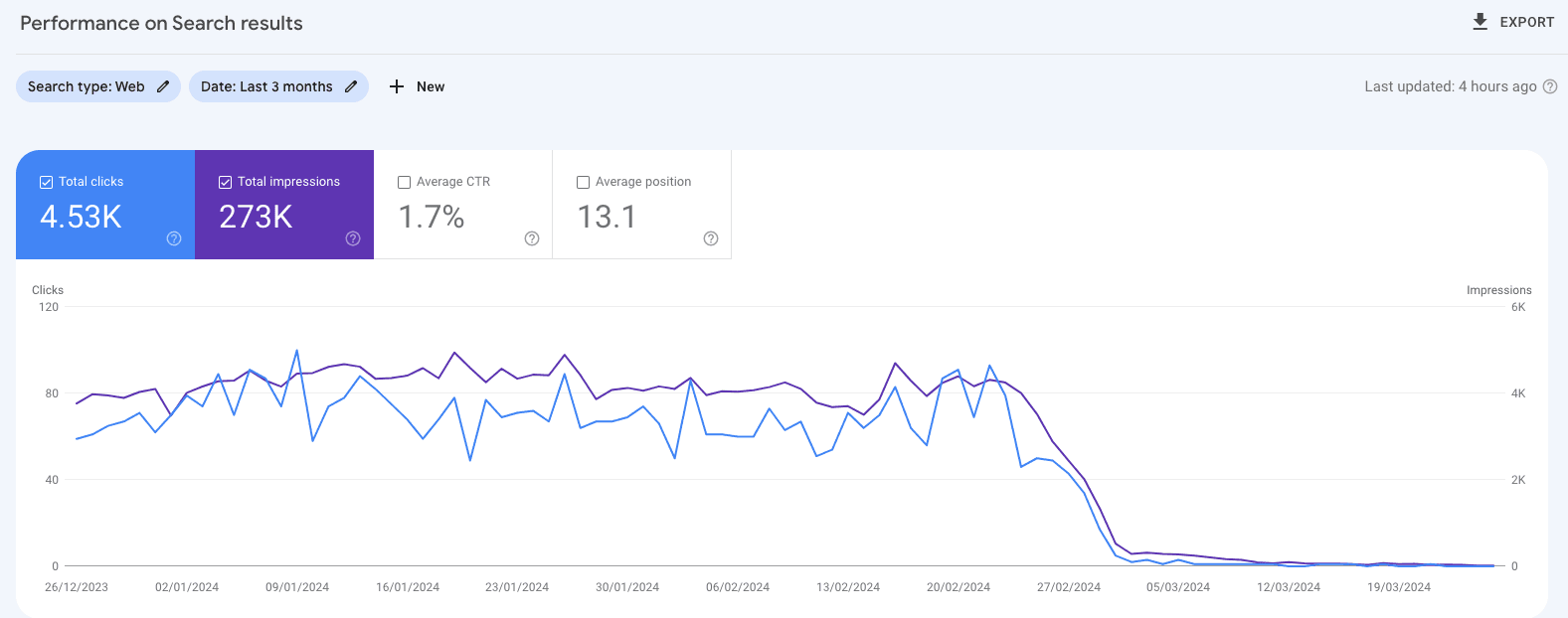
A sudden drop in website traffic can disrupt growth forecasts and revenue performance within days. When website traffic dropped suddenly, businesses often assume a technical failure. In reality, a sudden drop in organic traffic may result from algorithm updates, indexing shifts, authority loss, or AI-driven ranking changes.
According to Google Search Central, search volatility frequently follows core updates and indexing recalibration.
Today, visibility is influenced not only by traditional rankings but also by generative summaries and AI-based result layers.
Why Is My Organic Traffic Dropping?
If you're asking, why is my organic traffic dropping, begin with structured diagnosis:
Algorithm updates
Indexing instability
Technical architecture errors
Lost backlinks
SERP layout changes
Research from Moz shows that traffic volatility often correlates with algorithm shifts rather than isolated SEO mistakes.
A clear assessment framework reduces guesswork:
Area | What to Evaluate | Priority |
Technical | Crawl errors, redirects, canonicals | High |
Content | Relevance, freshness, intent match | High |
Authority | Backlink profile quality | Medium |
Visibility | CTR decline, AI summaries | High |
What Causes Organic Traffic to Decrease?
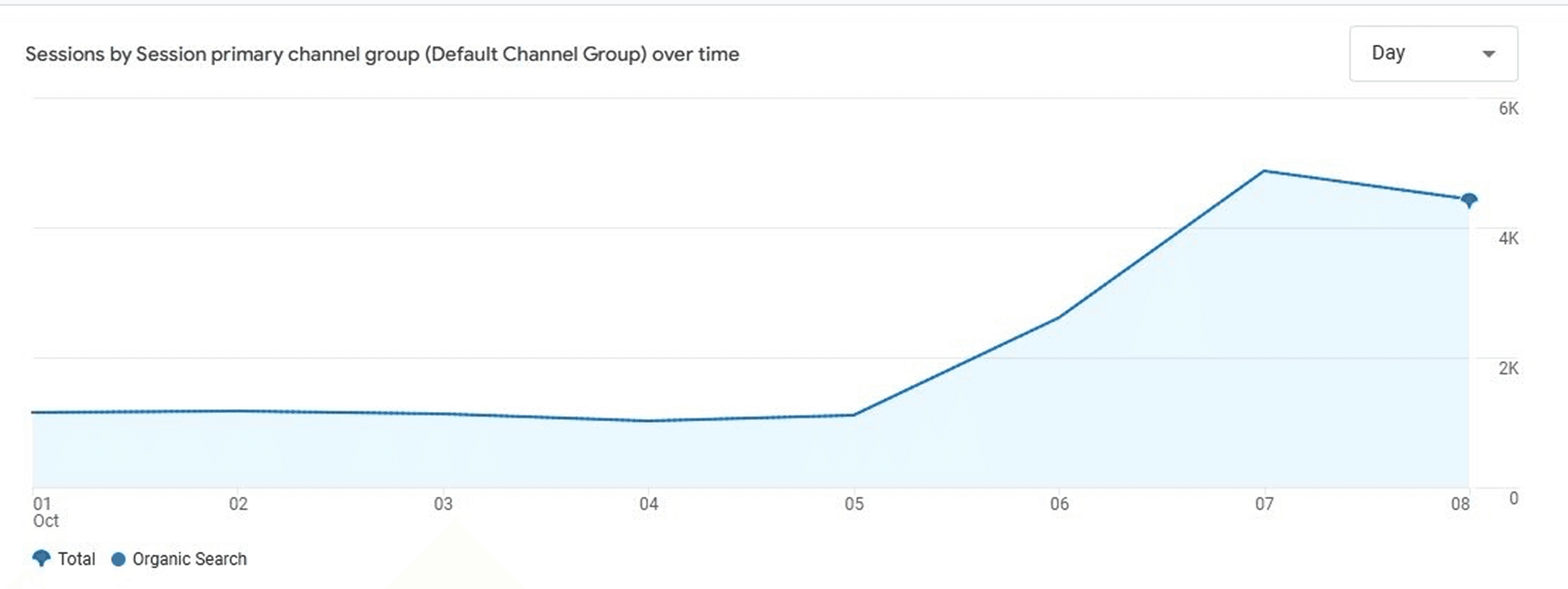
What causes organic traffic to decrease extends beyond ranking drops. Even stable positions can lose clicks.
Search Engine Journal highlights that SERP feature expansion and intent shifts often reduce CTR without visible ranking decline.
Common causes include:
AI-generated answers replacing clicks
Declining content quality
Competitor growth
Index loss
Reduced trust signals
Traffic decline often reflects reduced visibility depth rather than page removal.
Top 10 Reasons Websites Have a Drop in Organic Traffic
Here are the top 10 reasons websites have a drop in organic traffic:
Core algorithm updates
Technical crawl errors
Lost backlinks
Content decay
Indexation issues
Thin or outdated content
Internal linking disruptions
SERP feature changes
AI-generated summaries
Competitor optimization growth
Regular benchmarking improves stability and long-term growth.
IMPORTANT SHIFT: USERS ARE SEARCHING THROUGH AI MORE THAN EVER
One of the most underestimated reasons for traffic decline is the behavioral shift toward AI-based search. Users increasingly rely on conversational AI tools and generative summaries instead of clicking traditional blue links. Instead of browsing multiple pages, they expect direct synthesized answers.
Research from Stanford Human-Centered AI confirms that AI-driven interfaces significantly change how users interact with search environments. People now ask complex, intent-rich questions inside AI systems and receive summarized responses that often eliminate the need to visit external websites.
This means your rankings may remain stable, but clicks decrease because the answer is already displayed. In other words, visibility does not automatically equal traffic anymore. If your brand is not cited inside AI-generated summaries, you may experience reduced engagement even without visible ranking loss. Monitoring generative search presence becomes essential to maintain authority and demand capture.
Visibility Measurement Becomes Mandatory in the AI Era
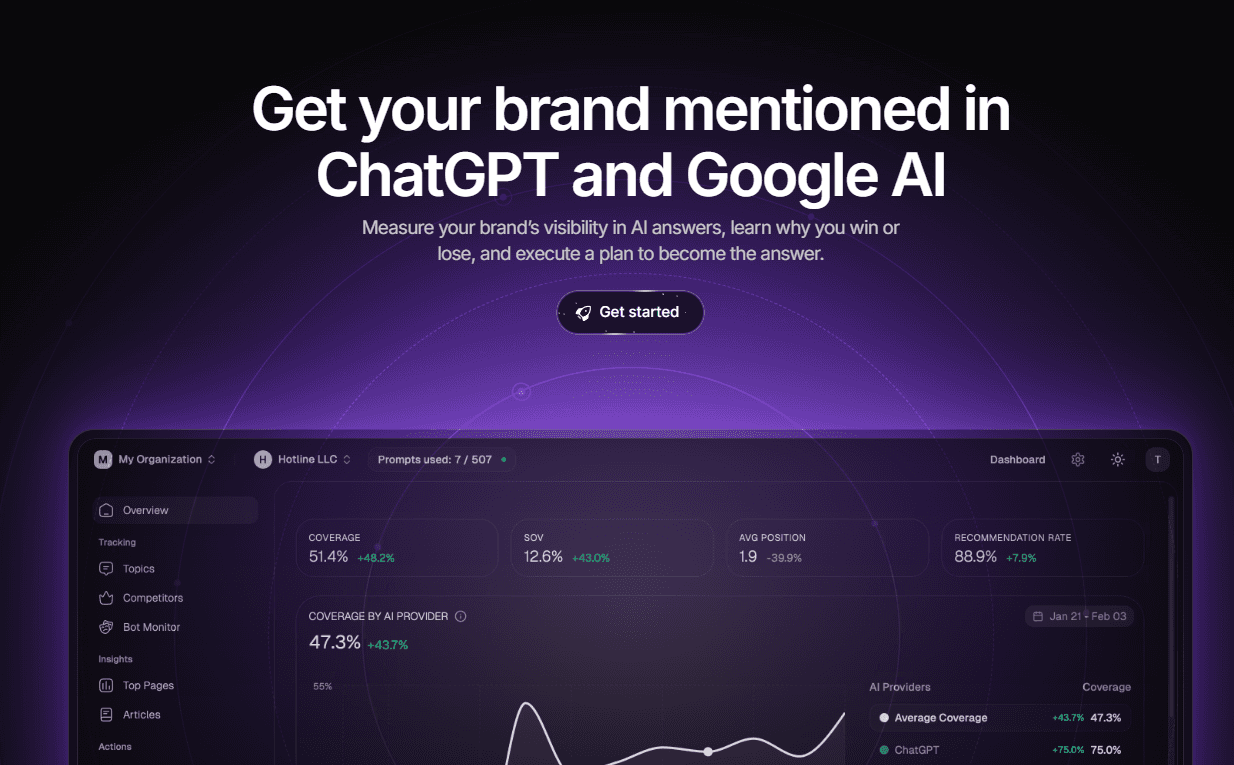
As user behavior shifts toward AI-driven interfaces, traffic loss is often a visibility redistribution problem rather than a ranking collapse. AI answers vary across runs and locations, which makes traditional spot checks misleading.
This is why Dabudai relies on aggregated sampling across repeated prompts and fixed locales, recording every visible link occurrence exactly as shown. Position-weighted Share of Voice reflects how users actually distribute attention inside AI answers.
For a detailed explanation of link occurrence counting, position recording, and SOV methodology, see the full AI visibility metrics framework
How AI Ranking Shifts Impact Traffic
A sudden drop in website traffic may be connected to AI-driven visibility changes. Generative systems synthesize answers directly in search results, decreasing click-through rates.
Research from Stanford Human-Centered AI confirms that AI-based ranking models alter how users interact with search pages.
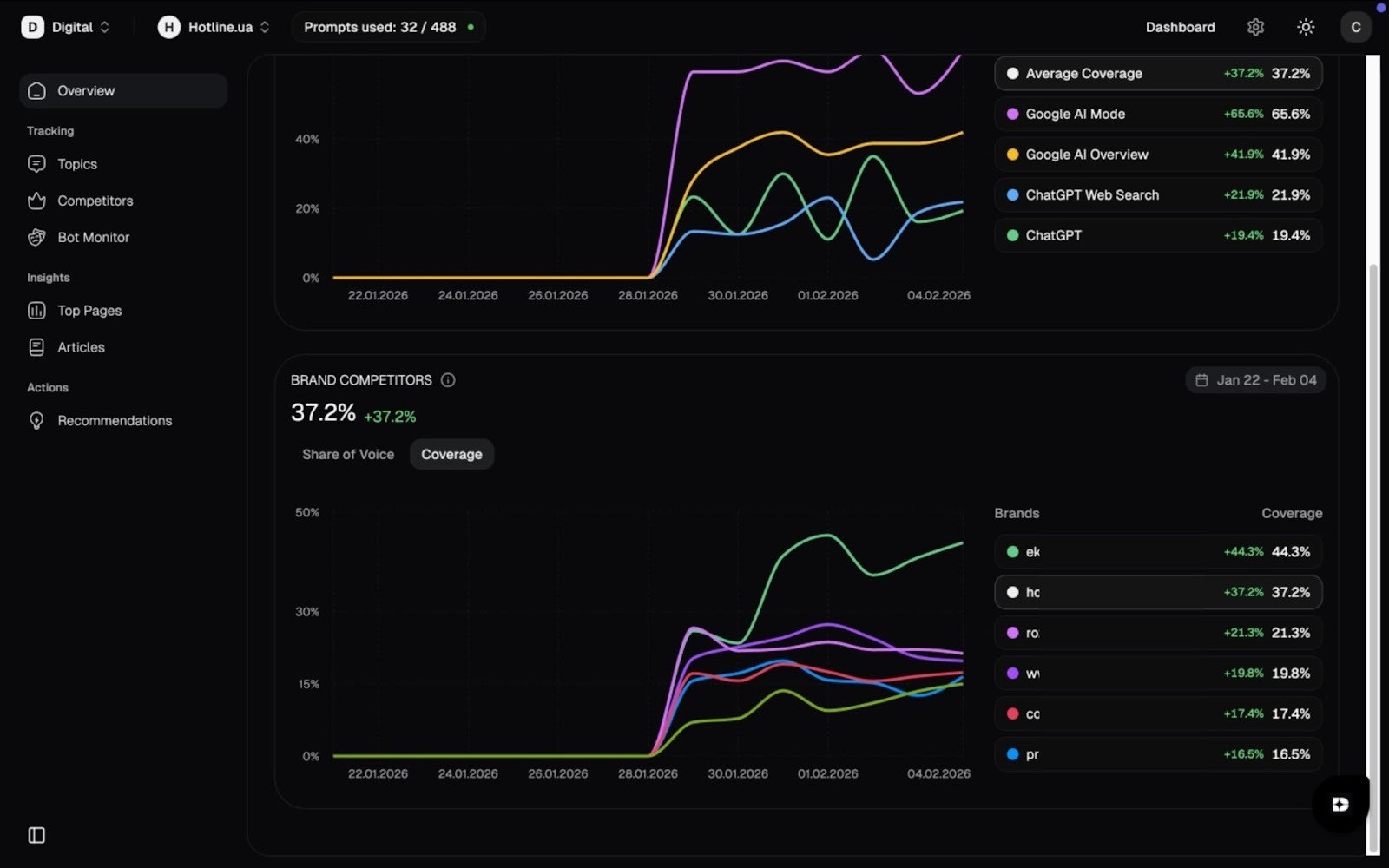
Brands may retain impressions while losing engagement. Monitoring AI positioning becomes critical.
Dabudai’s ai search visibility tool tracks brand presence within generative results, identifying shifts that traditional rank tracking may miss.
How to Recover from Sudden Drop in Content Performance
To recover from sudden drop in content performance, follow a systematic remediation process:
Technical audit
Crawl and index verification
Intent alignment update
Authority strengthening
Content refresh strategy
For deeper recovery case studies and monitoring frameworks, see the Dabudai blog.
A recent internal case study demonstrated a 30% recovery in organic sessions within 8 weeks after updating outdated content clusters and improving internal architecture.
Recover from Sudden Drop in Organic Search Traffic Strategies
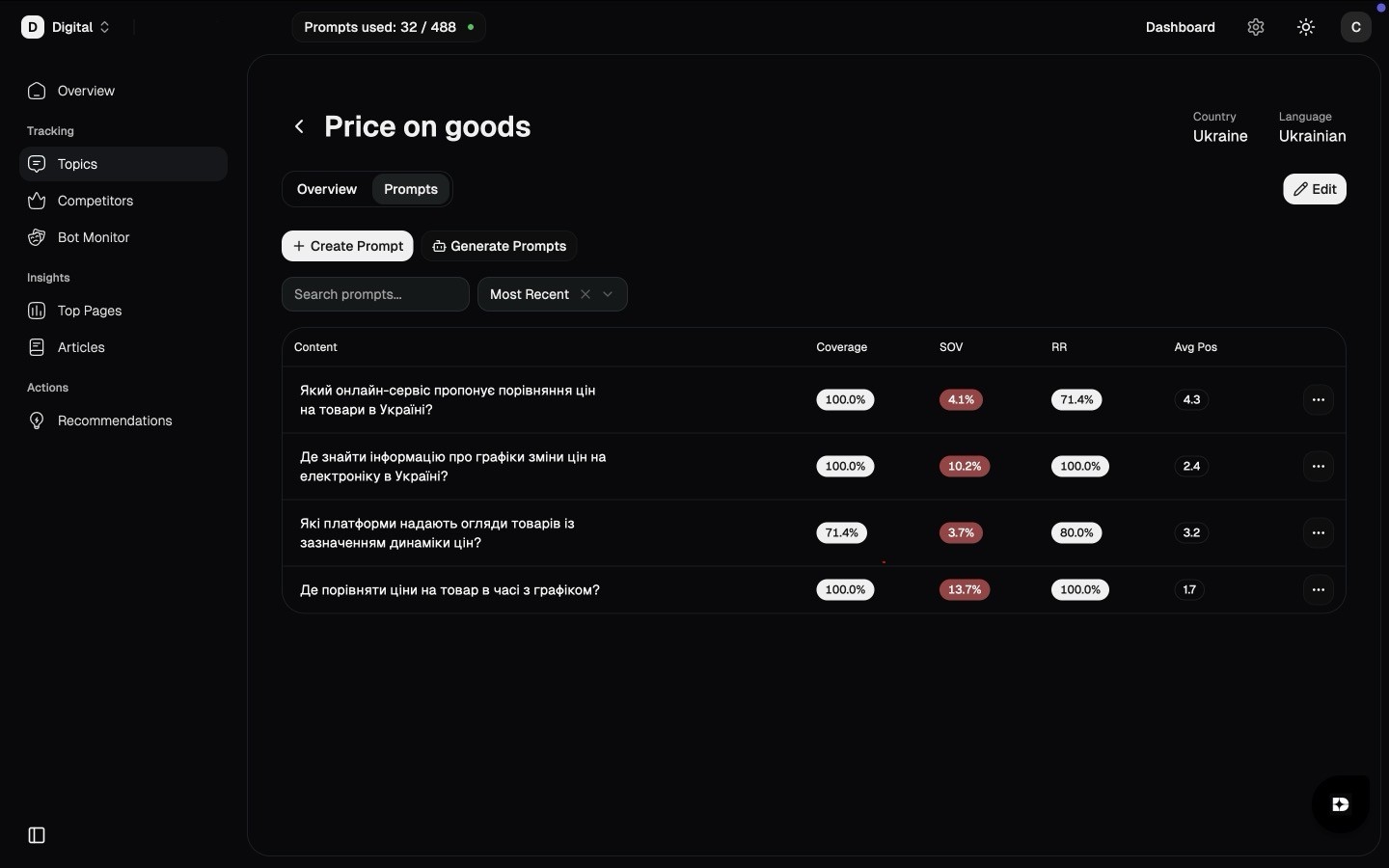
Effective recover from sudden drop in organic search traffic strategies focus on credibility and stability:
Strengthen topical authority
Improve content quality signals
Optimize technical architecture
Benchmark competitors
Monitor AI ranking layers
Recovering organic traffic is an ongoing process. If you're asking, why did my organic traffic drop, avoid reactive changes without full assessment.
Long-term recovery requires structured evaluation, continuous monitoring, and strategic growth planning.
FAQ
1. Why did my organic traffic drop suddenly overnight?
Algorithm updates, indexing instability, technical errors, or AI ranking shifts can cause rapid visibility changes.
2. What are the top reasons websites have a drop in organic traffic?
Content decay, lost backlinks, technical SEO issues, SERP feature changes, and competitor improvements are leading causes.
3. How to recover from sudden drop in content performance?
Conduct a technical audit, improve content relevance, strengthen authority, and monitor AI visibility patterns.
4. What causes organic traffic to decrease even if rankings seem stable?
Lower CTR due to AI summaries or shifting user intent may reduce traffic despite similar rankings.
5. What are effective strategies for recovering organic traffic long term?
Focus on authority building, content updates, technical optimization, benchmarking, and ongoing visibility monitoring.